Raising brand awareness is a crucial aspect of modern digital marketing. That's not too different from traditional, outbound marketing tactics of old, but now it needs to go deeper. Brand recognition, where a customer can identify your personal brand, is not enough to rise above the competition. Internet-savvy audiences are increasingly cautious and reserved, so brand awareness is the natural next step. But what exactly is it, and how can you build brand awareness discreetly? Let us devote this article to finding out.
Brand recognition versus brand awareness
First and foremost, let us make a crucial distinction between these two terms. Colloquially, they may carry very similar meanings; for many, to "recognize" is to "be aware". In marketing, however, those are quite different terms.
To recognize a brand means to recognize a logo before being able to read the slogan. Generally speaking, it means being aware of the brand depicted, recognizing its marketing copy with some ease.
Brand awareness, however, requires positive psychological connotations. It means that audiences can recognize your brand and remember it fondly, associating it with quality and specific positive mindsets.
For an extreme example, you may consider plastic bandages; US audiences call them Band-Aids, and EU audiences call them Hansaplasts. These brands have created such excellent brand awareness over the years that they've become synonymous with their product. Audiences may recognize other plastic bandage brands, but they're still more aware of, and positively predisposed toward, these specific brands.
What are "sneaky" ways to build brand awareness, and why use them?
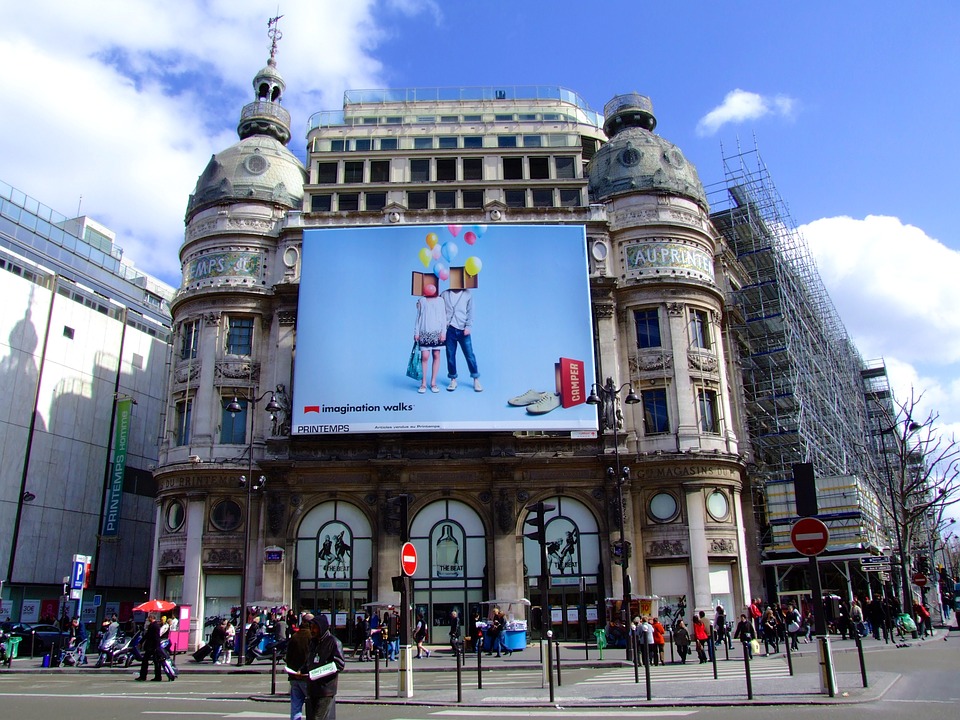
Having outlined the difference between recognition and awareness, let us delve into why sneaky ways to build brand awareness work. “Sneaky”, in this context, does not mean underhanded, black hat, or otherwise ethically questionable. It simply means “discreet”, in line with modern marketing demands. Where billboards focus on recognition, these tactics focus on awareness.
A prime example of such tactics is promotional products, and their history is indeed long and interesting. From George Washington's presidential election commemorative buttons in 1789 to toys in fast-food kids' meals today, these items work. What's more, they do so with no resistance or distrust, as they simply resonate with audiences. That's why "sneaky" ways to build brand awareness arguably work; they're discreet in their purpose and let audiences embrace them.
7 sneaky ways to build brand awareness
Of course, promotional products are but one of many options to garner brand awareness. Here are 7 others that may be worth your consideration.
#1 Website marketing
Perhaps the wisest place to start is your website. After all, marketing campaigns, from Pay Per Click (PPC) to social media marketing, will typically lead audiences there. As such, you may treat it as the spearhead of brand recognition, brand awareness, and even conversion rates.
You may start with the visual component of recognition; embed a memorable logo that audiences will easily recognize. Examine your choice of colors, fonts, and layouts, and conduct A/B testing to ensure you present your brand optimally. Then, to inspire proper, positive brand awareness, go deeper; examine landing pages, content quality, and the overall User Experience (UX). Doing so will help incite brand awareness through positive interactions and enhance your website marketing efforts in the process.
#2 Link building
On the subject of leading to your site, then, Search Engine Optimization (SEO) rightfully stresses the importance of backlinks. Link building, in brief, is the practice of acquiring links from other sites that lead to yours. In our context, traffic and SEO guidelines aside, it’s also one of the best sneaky ways to build brand awareness.
In this regard, explore the ways you may acquire backlinks within your existing strategy. Some you may consider are:
- Providing user-generated content (UGC) to websites within your field
- Creating infographics and other visual material that experts in your industry want to use
- Writing deep, informative articles that inspire natural backlinks
No matter which ways you choose to use, however, backlinks are invaluable. Not only do they enhance your SEO and generate traffic, but they also establish your brand’s quality. A backlink from an authoritative source is an endorsement, and an infographic will cement your expertise in audiences’ minds.
#3 Influencer marketing
Finally, as regards digital marketing specifically, you may employ influencer marketing. With the social media marketing boom and the prominence of influencers in recent years, this tactic likely needs no introduction. Influencers can act as brand advocates while presenting your brand in an authentic, down-to-earth, non-salesy manner.

One may view influencers' endorsements as social credit. As more and more customers seek referrals and recommendations from friends and acquaintances, influencers serve to humanize brands. You may thus identify influential experts in your field and approach them for a promotion. It may not be an easy tactic for smaller businesses, but it is one of the most discreet, cost-effective ones.
#4 Car wraps and branded packaging
Moving away from exclusively digital endeavors, you may try some practical, tried-and-tested tactics. Perhaps the most notable ones are car wraps and branded packaging.
Chances are you've seen the former. Red Bull, Dr. Pepper, and other brands still use car wraps as a means of raising brand awareness. Of course, for such brands, brand recognition is often a given. However, car wraps serve as brand awareness as well; for many, a car wrap is the owner's personal endorsement. Thus, one can argue their effectiveness stems from the psychological implication of them being, definitively, proof of social credit.
The latter serves similar functions and has been a marketing mainstay for years. From tech giant Apple to logistics and delivery pioneer DHL, brands have been using branded packaging to great effect. Arguably, it helps create positive correlations between the unpacking excitement and the brand itself. Regardless of the reason, however, it works, and it does so subtly and discreetly.
#5 Branded products and freebies
Having touched on branded packaging, it would be a grave omission not to note branded products themselves. They, and freebies, are among the safest, proven, sneaky ways to build brand awareness.
These two we delve into together because they can be combined into branded promotional items. Branded products by themselves can work wonderfully, as the soft drink industry can attest to. Promotional items can work, too, as upcoming music artists' promotional CDs prove. Frankly, few of us would deny free stuff of most kinds.
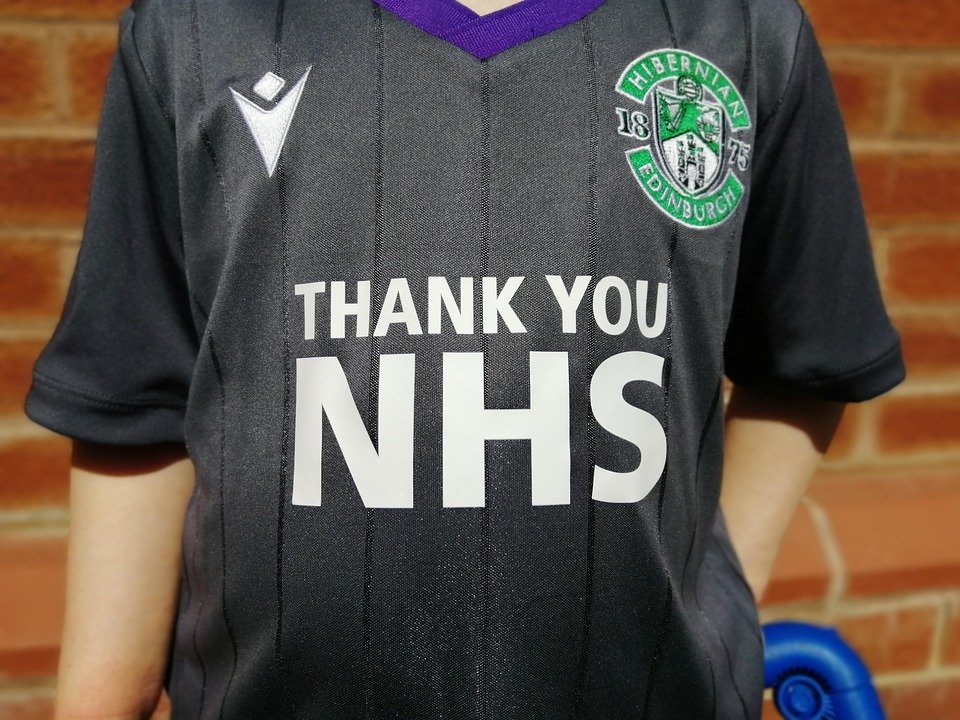
Combined, however, branded promotional items can indeed raise brand awareness. Consider the appeal of freebies combined with the effectiveness of branded packaging; that's what branded promotional items achieve. They serve as constant advertisements in the hands of consumers, which implicitly produces social credit.
#6 Sponsoring
Yet another established way to raise both brand recognition and awareness lies in sponsoring events. While local businesses benefit from this practice most, it arguably holds a more significant appeal for a few reasons.
Initially, local sponsorships help raise local awareness. That much is a given; they act as contact points with audiences and help acquire potential leads. More importantly, however, they help redefine a brand as a locally conscious one, which cares for their communities in practice. Be they for sports events, charities, or other events, they do help frame a brand as an ethical one.
That's a pressing concern in the digital age, as data from the 2020 Edelman Trust Barometer revealed a trust crisis. Specifically, audiences only perceive NGOs as ethical and only business as competent but unethical. Thus, combined with the power of influencer marketing, sponsorships can help you achieve both trust and positive awareness.
#7 Controversy
Finally, controversy may be an option to consider – although it is one to be approached carefully. Like such fast-food juggernauts as Wendy's have proven, mild, safe controversy can indeed yield results.
Phineas T. Barnum phrased it as "'there's no such thing as bad publicity". The Atlanta Constitution remarked that "all publicity is good if it is intelligent". Oscar Wilde echoed the sentiment, saying, "the only thing worse than being talked about is not being talked about". In all cases, the substance remains, and modern marketers prove it; controversy can work. All awareness is awareness.
However, one must approach it with care and prudence, for not all awareness carries equal connotations. It can certainly raise awareness, as in the recent case of Nike's partnership with Colin Kaepernick. However, that very case proves that negative press from detractors can also have adverse effects, regardless of the net gain. Thus, you may approach controversial influencers, share "hot takes" on contemporary subjects, and explore similar tactics. However, this is a risky approach that you may best reserve for times of need, as it may backfire.
Conclusion
To summarize, subtle, "sneaky" ways to build brand awareness are certainly not new. Many such tactics, like car wraps, branded packaging and products, and sponsorships, have seen effective use for decades. Others, like website marketing, link building, and influencer marketing, have emerged within the digital marketing landscape and also promise results. Finally, controversy also has seen and continues to see use, regardless of the time or the medium. These and other tactics may help you raise brand awareness subtly and discreetly, resonating with new, cautious audiences.